
On Demand webinar: Breathlessness and chronic cough in adults: Challenges currently being faced by primary care
This webinar explores the challenges and missed opportunities in assessing and managing chronic cough and breathlessness in primary care, with practical guidance and real-life examples to support more consistent, timely and effective respiratory care.
Chronic cough and breathlessness are among the most common and challenging respiratory symptoms encountered in primary care, contributing significantly to consultation demand, repeat attendances, diagnostic uncertainty and pressure on already stretched NHS resources. This webinar explores the missed opportunities in the assessment and management of chronic cough and breathlessness across primary care in the UK, set against the realities of today's NHS landscape.
Through case studies and real-life examples, Darush Attar-Zadeh, PCRS Executive Chair, and guest speakers Sundari Ampikaipakan, Gemma Askey, Daryl Freeman and Carol Stonham examine where challenges and variation in workforce and care pathways for chronic cough and breathlessness can lead to suboptimal patient outcomes, inappropriate referrals and high referral-to-treatment times.
During this webinar, our experts focus on:
- highlighting the power of primary care in driving better care and management,
- identifying missed opportunities and where primary care can make the most difference,
- making it clear what national guidance is available,
- discussing the national challenges being faced by the NHS and respiratory community,
- introducing national and local initiatives that are now in place to support improvements in these areas, and
- providing primary care healthcare professionals with some initial guidance on delivering more consistent, timely and effective respiratory care for patients living with chronic cough and breathlessness.
Following an initial discussion, a Q&A session follows enabling speakers to address specific queries the audience has.
Acknowledgements
We are grateful to the Health Innovation Network, Oxford (HIN) for the provision of an education grant to support the production of this resource as part of the Elective Care Respiratory Pathways programme.

Speakers
-
Darush Attar-Zadeh
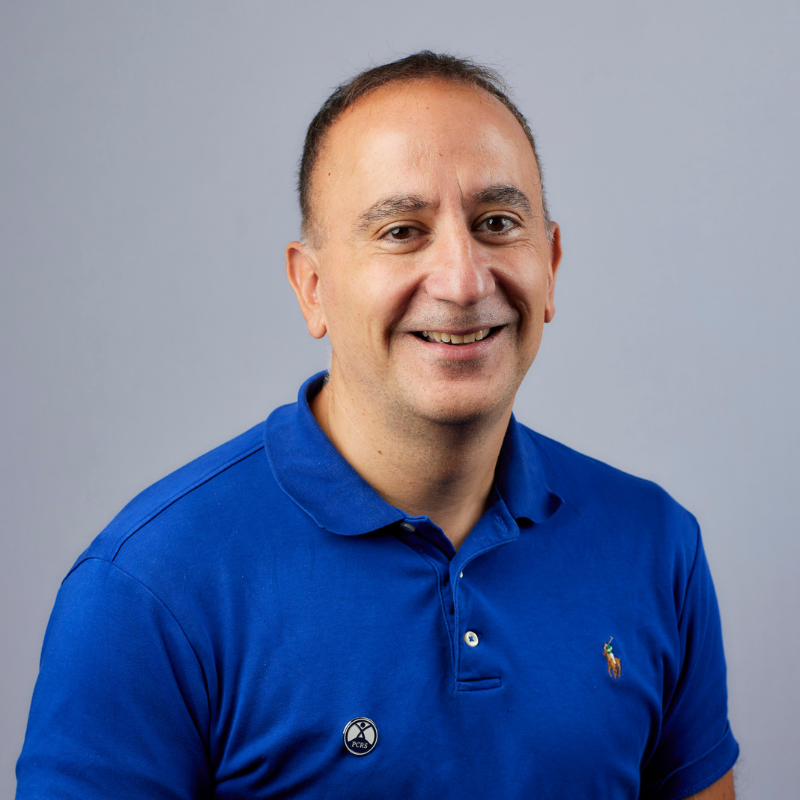 A Clinical Fellow Pharmacist with a keen interest in preventative medicine. Darush has presented at various national and international conferences (including the PCRS, IPCRG, ERS, Clinical Pharmacy Congress). Darush was part of the London Clinical Senate Helping Smokers Quit programme. Darush is a lead for NHS RightBreathe and helps mentor clinicians in 45 PCNs across NW London. In 2019 Darush was awarded PCPA GP Pharmacist runner up. He runs group sessions with patients and clinicians. Darush is the Executive Chair of the PCRS
Other roles include:
Co-Chair Taskforce for Lung Health Medicines Optimisation Working Group
Co-Chair of the CYP Pharmacy asthma group pan London
Darush enjoys running and raising money for respiratory and cardiac charities. One of his main missions is to reduce health inequalities caused by tobacco and spends a lot of his time teaching in deprived locations across the UK. -
Sundari Ampikaipakan
 Dr Sundari Ampikaipakan is a Consultant Respiratory Physician and Deputy Director of Transformation Improvement at the Norfolk and Norwich University Hospitals NHS Foundation Trust. Her clinical interests include airways disease, chronic cough, sleep and ventilation, alongside a strong interest in improving how respiratory care is delivered across traditional healthcare boundaries.
She is the Clinical Lead for the Virtual Hospital development at NNUH and has a particular interest in service re-design particularly patient centred pathways that connect primary and secondary care. She is passionate about making respiratory medicine accessible and helping clinicians navigate common but often challenging presentations such as chronic cough and breathlessness.
Outside of work, she juggles 4 step-children and 3 grandchildren while still attempting to find time to cook, read and exercise. -
Gemma Askey
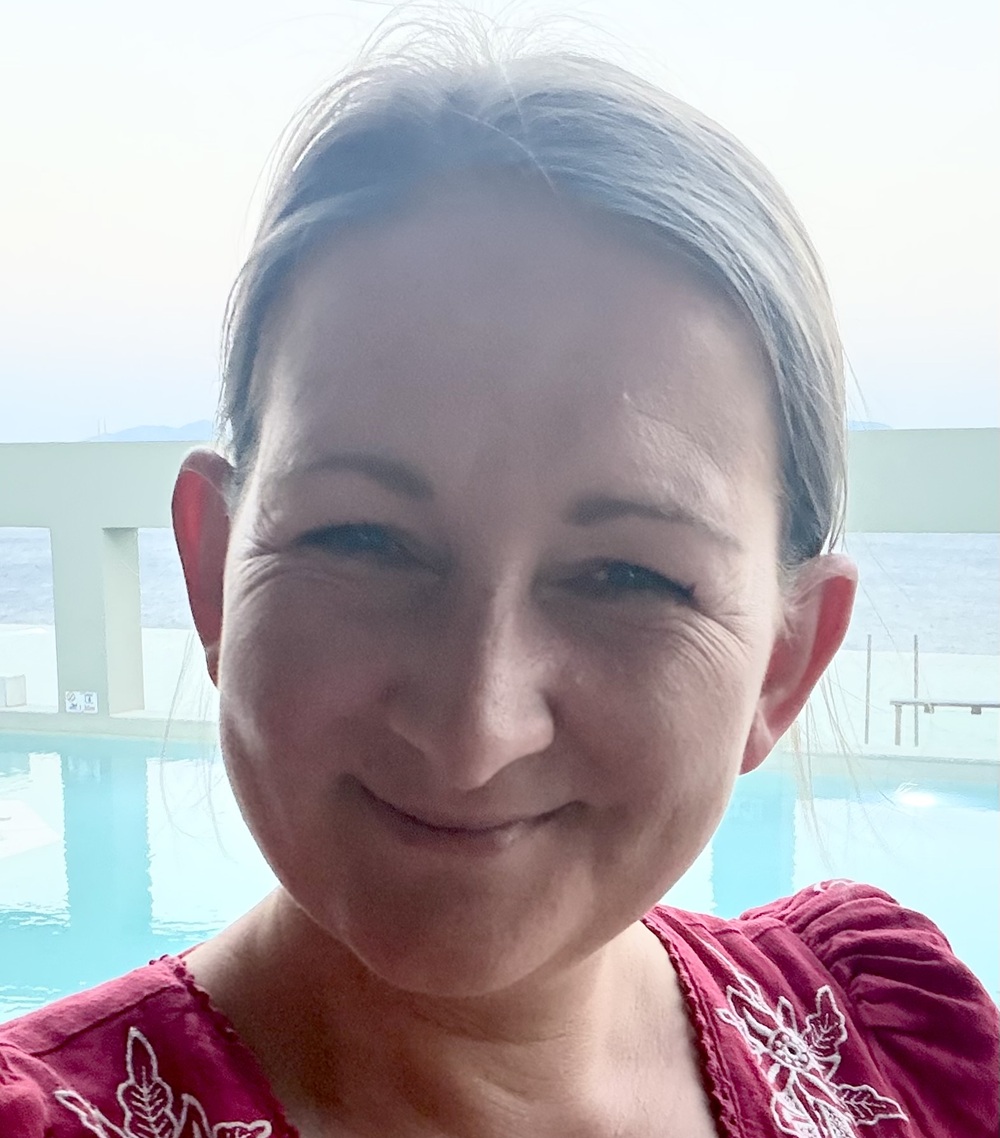 Gemma is a GP of 13 years experience, with a portfolio career spanning commissioning, frailty and palliative care.
She has a passion for quality improvement, with a particular focus on improving pathways and outcomes for both patients and teams.
Gemma has worked with the national CLEAR team, supporting clinically led workforce redesign.
More recently, this included work with national respiratory clinical leads and Primary Care Networks (PCNs) through the Neighbourhood extension of the Elective Care Recovery Transformation Programme, focusing on chronic cough and chronic breathlessness. -
Daryl Freeman
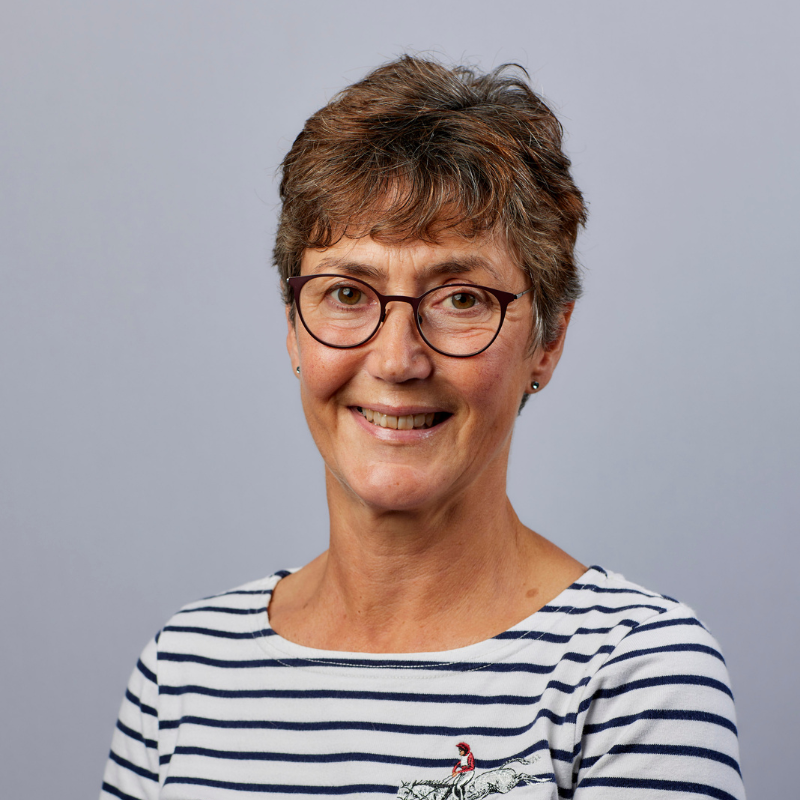 Daryl is an associate Clinical Director with Norfolk Community Health & Care, the main provider of community care in Norfolk & Waveney. The role entails providing senior medical care for this group of frail in-patients and support for the large ACP (advanced clinical practitioner team). For the last 18 months Daryl has been the lead Medical Clinician supporting the Step Up Virtual wards; a service run across the Norfolk and Waveney footprint caring for patients with a variety of illness from elderly patients with complex frailty, patients with heart failure requiring IV and high dose oral diuretics at home and patients with complex respiratory conditions ( and many who have a combination of all of the above).
Following the formation of the ICB and its Clinical Work-streams Daryl was the ICB Respiratory Clinical Adviser, for 3 years. During that time the development of new guidelines were supported and their uptake across the patch implemented. New ways of providing patients with COPD care were designed and a new respiratory clinic in a Community Hospital was trialled with a colleague from the Acute Trust Sadly the post has been amalgamated into general chronic disease and providing respiratory care in Norfolk and Waveney will depend on using the skills and links developed during the time the post was active.
Daryl is a director for the UK Lung Cancer Coalition and spoke at their conference in 2025.
Daryl loves country life and is a keen walker and horsewoman and lives in rural Norfolk with her 2 terriers and young Labrador, 2 horses and long-suffering advanced paramedic partner. -
Carol Stonham
 Following 26 years nursing in general practice Carol now works at Gloucestershire ICB Respiratory Clinical Programme Group and is CYP Asthma Clinical Lead. Carol is also a co-clinical lead of the NHSE Southwest Respiratory Network.
Carol is past Executive Chair of PCRS – the first non-doctor and first female to take the chair. She is current a trustee of the charity. She is vice chair of the Lung Health Task Force and also co-chairs the Taskforce early and accurate diagnosis group.
Carol received Queen’s Nurse award in 2007 and in 2016 was awarded an MBE for Services to Nursing and Healthcare.